



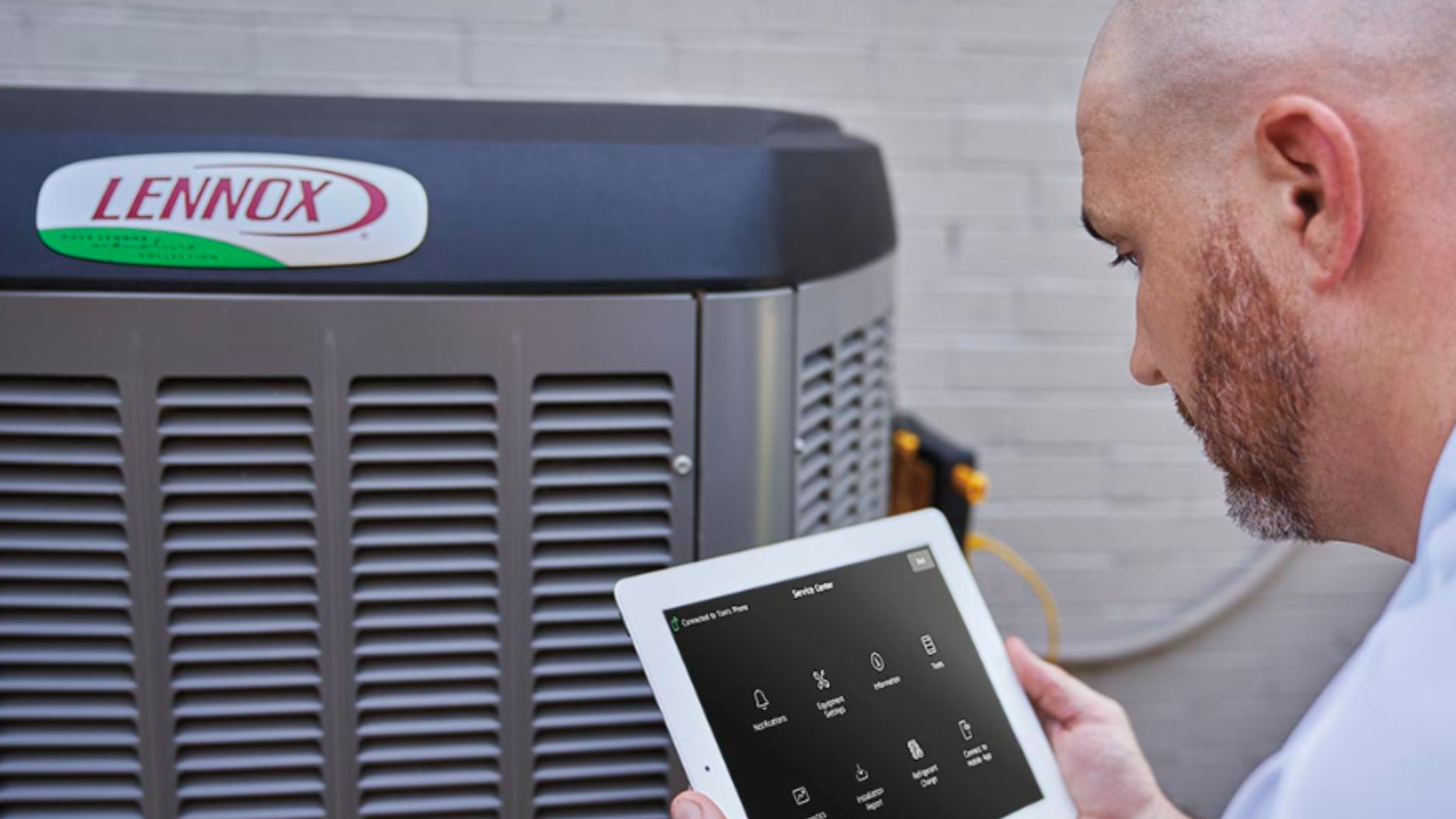
Your heating and cooling system works throughout the year to keep your home comfortable. Over time, dust, normal wear, loose electrical connections, and small performance problems can place additional strain on the equipment. A professional HVAC tune-up helps identify these concerns before they turn into unexpected breakdowns or expensive repairs.
Although the exact process may vary depending on the type and condition of your system, most professional HVAC tune-ups include a detailed inspection, cleaning, testing, and performance check.
Initial System Inspection
The technician usually begins by visually inspecting the HVAC system and asking whether you have noticed any recent problems. This may include unusual noises, weak airflow, uneven temperatures, rising energy bills, or a system that runs longer than normal.
The technician will look for visible damage, loose parts, signs of corrosion, water leaks, refrigerant concerns, and excessive dust buildup. This initial inspection helps identify areas that require closer attention during the tune-up.
Thermostat Testing
The thermostat is responsible for controlling when your heating and cooling system turns on and off. During a tune-up, the technician checks whether the thermostat is reading the indoor temperature correctly and communicating properly with the HVAC system.
They may also review your thermostat settings and recommend adjustments that could improve comfort and efficiency. If you have an older thermostat, the technician may explain whether upgrading to a programmable or smart thermostat could help reduce unnecessary energy use.
Air Filter Inspection
A clogged air filter restricts airflow and forces the HVAC system to work harder. This can increase energy consumption, reduce indoor comfort, and place additional stress on important components.
During the tune-up, the technician checks the condition of the filter and replaces it when necessary. They may also recommend how often you should change the filter based on your system, household size, pets, allergies, and indoor air quality needs.
Electrical Connection Check
HVAC systems contain several electrical connections, wires, capacitors, relays, and safety controls. Normal vibration and system operation can cause connections to loosen over time.
The technician inspects and tightens electrical connections where necessary. They may also test voltage and electrical components to confirm that the system is operating safely. Finding a damaged wire or weakening capacitor early may help prevent sudden equipment failure.
Cleaning Important Components
Dust and debris can collect on coils, blower components, burners, and other parts of the HVAC system. This buildup can interfere with heat transfer, restrict airflow, and reduce efficiency.
For an air-conditioning system, the technician may inspect and clean the evaporator and condenser coils. During a heating tune-up, they may inspect burners and other heating components for dirt or buildup.
Cleaning these areas allows the system to operate more effectively and may reduce unnecessary strain on the equipment.
Blower Motor and Airflow Inspection
The blower motor moves conditioned air through the ductwork and into the rooms of your home. If the blower is dirty, damaged, or operating incorrectly, you may notice weak airflow or inconsistent temperatures.
The technician checks the blower motor, fan, and related components for wear and proper operation. They may also inspect accessible ductwork, vents, and return-air openings for signs of blockage, leakage, or airflow restrictions.
Proper airflow helps your HVAC system heat or cool the home evenly without running longer than necessary.
Refrigerant Level Check
During an air-conditioning tune-up, the technician may check refrigerant levels and inspect the system for signs of leakage. Refrigerant does not normally get used up during operation, so a low level may indicate a leak that requires professional attention.
Running an air conditioner with insufficient refrigerant can reduce cooling performance, increase energy use, and potentially damage the compressor. A qualified technician can identify the issue and recommend the appropriate repair.
Drain Line Inspection
Air-conditioning systems remove moisture from indoor air. That moisture travels through a condensate drain line. If the line becomes clogged with dirt, algae, or debris, water may back up and cause leaks, moisture damage, or system shutdowns.
During the tune-up, the technician checks the drain line and drain pan for blockages, leaks, or standing water. Cleaning the drain system can help prevent water-related problems during periods of heavy cooling use.
Heating Component and Safety Checks
For furnaces and other heating systems, a professional tune-up includes checks designed to support safe operation. The technician may inspect the heat exchanger, burners, ignition system, gas connections, flame sensor, and safety controls.
A damaged heat exchanger or combustion problem can create a serious safety concern. Regular inspections provide an opportunity to identify visible warning signs and determine whether additional testing or repair is required.
Lubrication of Moving Parts
Some HVAC components contain moving parts that require lubrication. Without proper lubrication, friction can increase wear and force the system to consume more energy.
When applicable, the technician lubricates motors, bearings, and other moving components according to manufacturer recommendations. This helps support smoother operation and may extend the life of the equipment.
Complete System Performance Test
After completing the inspection, cleaning, and adjustments, the technician runs the system through a complete operating cycle. They check whether it starts properly, reaches the desired temperature, produces adequate airflow, and shuts down correctly.
The technician may also measure temperature differences, operating pressures, amperage, and other performance indicators. These readings help determine whether the system is operating within the expected range.
Recommendations and Tune-Up Report
At the end of the appointment, the technician should explain what was inspected, cleaned, or adjusted. If any problems were discovered, you should receive clear recommendations about repairs, replacement parts, or future maintenance.
A trustworthy HVAC professional will help you understand which concerns require immediate attention and which ones can be monitored. This allows you to make informed decisions without unnecessary pressure.
Why Regular HVAC Tune-Ups Matter
A professional tune-up cannot guarantee that an HVAC system will never require repairs. However, it can reduce the risk of preventable failures by catching worn parts, airflow restrictions, electrical concerns, and performance problems early.
Regular maintenance can also improve energy efficiency, support more consistent indoor comfort, extend equipment life, and help your system remain reliable during extreme temperatures.
Oak Point Heating and Air provides professional HVAC tune-ups with honest recommendations to help homeowners maintain reliable year-round comfort.