


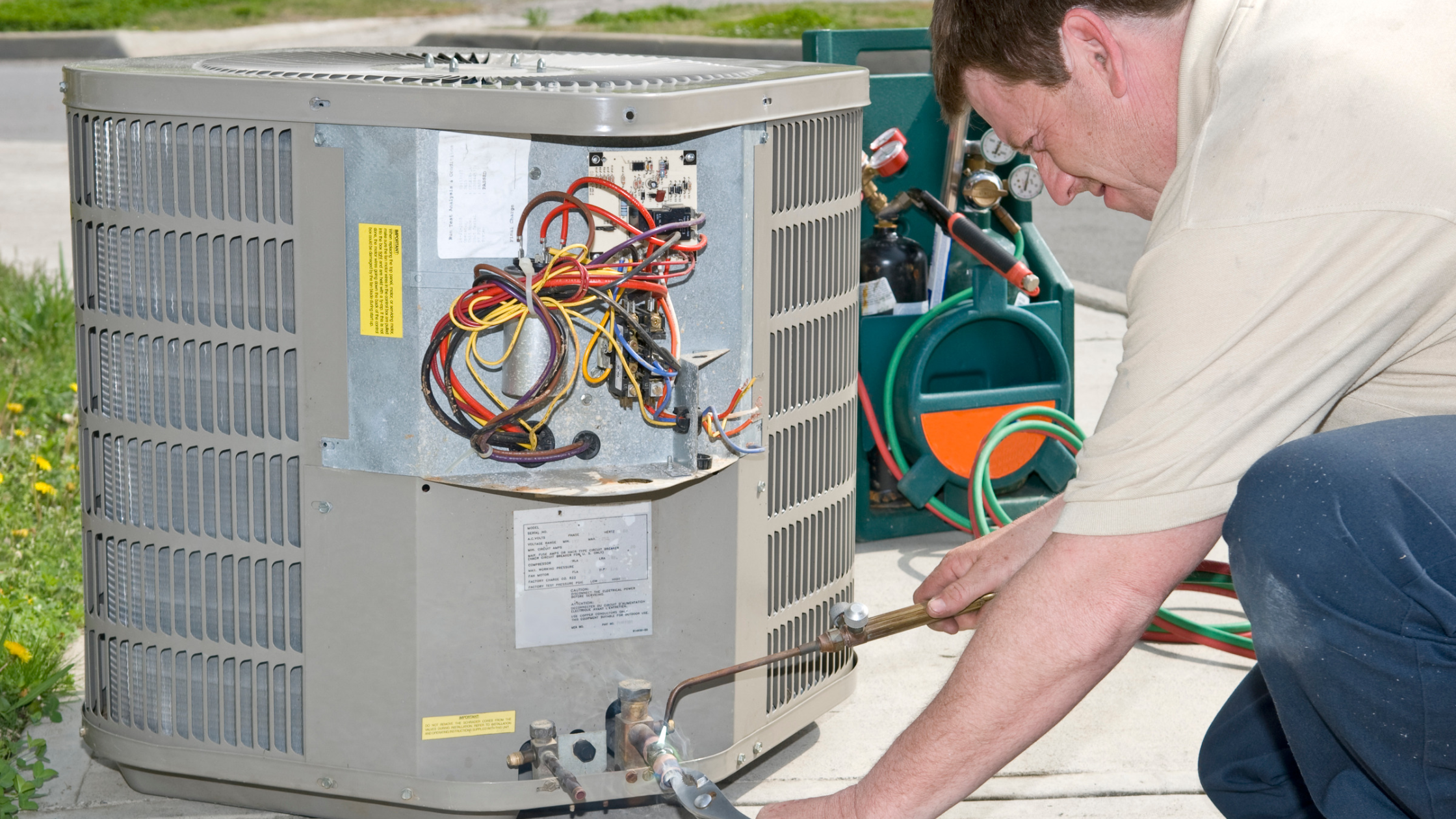
An air conditioning compressor is one of the most important components of your cooling system. It circulates refrigerant between the indoor and outdoor units, helping transfer heat out of your home and maintain comfortable indoor temperatures. Because the compressor plays such a critical role, its condition directly affects your AC system’s performance and reliability.
Most AC compressors can last around 10 to 15 years, although their actual lifespan depends on several factors. Regular maintenance, proper installation, operating conditions, and timely repairs can all influence how long a compressor continues working efficiently.
Understanding these factors can help homeowners recognise potential problems early and make informed decisions about AC maintenance and replacement.
1. Regular HVAC Maintenance
Routine maintenance is one of the most important factors affecting compressor lifespan. During normal operation, dirt, dust, and debris can accumulate around the outdoor unit. Dirty condenser coils can restrict heat transfer, forcing the compressor to work harder to remove heat from your home.
A lack of maintenance can also allow other issues to develop, including restricted airflow, low refrigerant levels, and electrical problems. When these conditions continue without attention, they can place additional stress on the compressor.
Professional maintenance can help identify these concerns before they cause significant damage. A technician can inspect the refrigerant system, clean the coils, check electrical connections, and evaluate overall system performance.
Homeowners can also help by keeping the outdoor unit clear of leaves, grass, and other debris. Replacing indoor air filters regularly is another simple way to support proper airflow throughout the system.
2. Proper AC Installation and System Sizing
The quality of the original installation can have a lasting impact on compressor performance. An improperly installed air conditioning system may experience refrigerant issues, electrical problems, restricted airflow, or other operating conditions that place unnecessary strain on the compressor.
System sizing is equally important. An oversized AC unit may cool your home quickly but switch on and off frequently. This process, known as short cycling, can increase compressor start-up frequency and contribute to additional wear over time.
An undersized system may run for extended periods while struggling to maintain the desired indoor temperature. This can also increase operating stress, particularly during periods of extreme heat.
Professional installation involves evaluating your home’s size, insulation, ductwork, cooling requirements, and other factors. Choosing the correct system capacity and ensuring proper installation can support more consistent operation and help protect important components.
3. Refrigerant Levels and System Performance
Refrigerant is essential to the cooling process. It absorbs heat from indoor air and releases it outside through the refrigeration cycle. The compressor helps circulate this refrigerant throughout the system.
When refrigerant levels are too low, the AC system may struggle to cool your home. Low refrigerant often indicates a leak that needs professional attention. Continuing to operate the system with insufficient refrigerant can cause the compressor to overheat or operate under unsuitable conditions.
Excess refrigerant can also create problems by increasing system pressure and placing additional strain on components.
Some common signs of refrigerant-related problems include:
- Reduced cooling performance
- Longer cooling cycles
- Ice forming on refrigerant lines
- Hissing or bubbling sounds
- Unusually high energy bills
Refrigerant should never be added without identifying the underlying cause of the problem. A qualified HVAC technician can inspect the system, locate potential leaks, and restore the refrigerant charge according to manufacturer specifications.
4. Electrical Conditions and Power Supply
The AC compressor relies on electrical components to start and operate correctly. Problems with the power supply or electrical connections can interfere with normal compressor operation and potentially shorten its lifespan.
Voltage fluctuations, loose wiring, damaged capacitors, and failing contactors can all affect how the compressor starts and runs. In some situations, electrical problems may cause the compressor to struggle during start-up or shut down unexpectedly.
Power outages and sudden electrical surges can also affect HVAC equipment. A properly selected surge protection device may help protect the system from certain voltage spikes, although it cannot prevent every electrical issue.
Homeowners should pay attention to warning signs such as:
- Frequent circuit breaker trips
- Clicking sounds during start-up
- Repeated system shutdowns
- Burning smells near the equipment
- Outdoor unit failing to start
If you notice these symptoms, avoid repeatedly resetting the breaker or attempting electrical repairs yourself. Professional inspection can help identify the issue and reduce the risk of further equipment damage.
5. Operating Conditions and Cooling Demand
The environment in which your AC operates can influence how much work the compressor performs. In regions with long, hot summers, air conditioning systems may run for extended periods to maintain comfortable indoor temperatures.
High outdoor temperatures make it harder for the system to release heat. When the outdoor condenser is exposed to poor ventilation, direct obstructions, or heavy debris buildup, the compressor may experience additional operating stress.
Other factors can increase cooling demand, including:
- Poor attic and wall insulation
- Air leaks around doors and windows
- Undersized or leaking ductwork
- Frequently opening exterior doors
- Incorrect thermostat settings
Improving insulation, sealing air leaks, maintaining clear outdoor airflow, and using reasonable thermostat settings can help reduce unnecessary cooling demand.
While compressors are designed to handle regular operation, reducing avoidable strain can support better system performance over time.
How Can You Tell If Your AC Compressor Is Wearing Out?
Compressor problems do not always appear suddenly. In many cases, homeowners may notice gradual changes in cooling performance before a complete failure occurs.
Some warning signs include:
- AC blowing warm or insufficiently cool air
- Unusual noises coming from the outdoor unit
- Frequent circuit breaker trips
- Longer cooling cycles than usual
- Higher electricity bills without a clear explanation
- AC struggling to maintain the thermostat setting
These symptoms do not automatically mean the compressor has failed. Other components, such as capacitors, contactors, fans, and refrigerant lines, can cause similar problems.
A professional HVAC inspection can help determine the actual cause and whether a repair or replacement is the most practical solution.
Conclusion
An AC compressor’s lifespan depends on several interconnected factors, including maintenance, installation quality, refrigerant levels, electrical conditions, and operating demands. Addressing problems early and keeping your system properly maintained can help reduce unnecessary compressor stress and support reliable cooling.
Oak Point Heating and Air provides dependable HVAC maintenance, repair, and installation services to help homeowners keep their cooling systems performing reliably.